
Injection Mold Manufacturing for OEM Plastic Parts
We connect part manufacturability, mold concept, tool construction and trial feedback so that mold decisions remain traceable to the approved project inputs.
A Mold Program Begins With Inputs, Not Steel
A mold can only be evaluated against a defined part, resin, production expectation and acceptance method. We therefore begin by checking the source files and RFQ assumptions before recommending a mold concept. Questions about draft, undercuts, parting strategy, ejection, gate location, cooling, venting, inserts and service access are handled as engineering decisions—not generic promises.
1. Input Review
Confirm file revision, part function, resin requirement, quantity, critical features, appearance zones, downstream assembly and validation needs.
2. Tooling Proposal
Define the quoted mold scope, preliminary concept, material assumptions, cavities, interchangeable features, trial plan, exclusions and commercial terms.
3. Design and Build
Develop and review mold design, manufacture components, assemble the tool and record approved engineering changes.
4. Trial and Correction
Use trial parts and process observations to compare the result with the agreed criteria. Corrections are prioritized by evidence and impact.
5. Acceptance
Close the agreed sample, dimensional or functional actions and document the status before shipment or production release.
6. Next-Stage Support
Continue with defined production molding, maintenance or tool shipment according to the approved commercial and ownership terms.
Design Decisions We Review
| Decision area | Why it matters | Evidence or input |
|---|---|---|
| Part orientation and parting | Affects steel conditions, visible witness lines, slides, ejection and serviceability | CAD, appearance zones, functional interfaces |
| Gate and runner approach | Influences filling, vestige, material use and tool complexity | Resin behavior, part geometry, cosmetic limits, quantity |
| Cooling and venting concept | Supports process stability and addresses heat or trapped-gas risks | Geometry, resin, expected process window and trial evidence |
| Steel, inserts and wear areas | Must reflect the quoted use, geometry and maintainability | Expected demand, resin/additives, feature risk and ownership plan |
| Sampling and acceptance | Prevents an undefined trial from becoming an undefined approval | Controlled drawing, critical characteristics, assembly or test method |
Tooling Choices That Belong in the Proposal
Cavity and Insert Strategy
Single-cavity, multi-cavity, family and interchangeable-insert approaches have different balance, maintenance, validation and change implications. The part mix, demand and risk determine the recommendation.
Cold Runner or Hot Runner
Material behavior, gate location, cycle objective, runner waste, color change, maintenance, control compatibility and investment all affect the choice. The selected system and supplier responsibility are written into the mold scope.
Steel and Expected Use
Steel and heat-treatment decisions consider resin/additives, wear, corrosion, surface, geometry, repairability and the quoted use. A material name alone is not a mold-life guarantee.
| Tool destination | Additional review emphasis |
|---|---|
| Export mold | Receiving-machine interface, local standards, connections, lifting, controls, documentation, preservation, packing and destination acceptance |
| Mold retained for production | Production authorization, storage, maintenance, resin and order planning, access, ownership identification and release conditions |
A customer-owned tool can be identified by an agreed nameplate or property record. Maintenance responsibility and release conditions are commercial terms, not unconditional website promises.
Typical RFQ Package
- Native or neutral 3D CAD
- Controlled 2D drawing
- Resin grade or performance specification
- Color and appearance requirements
- Critical-to-function dimensions
- Initial and estimated annual quantity
- Required sample or validation documents
- Final delivery country
- Assembly or mating-part information
- Tool-location and ownership expectation
Deliverables Are Scope-Specific
A quotation may define DFM records, mold drawings, progress reporting, trial samples, dimensional results, process information, spare components or other documents. None should be assumed until listed.
For the review gates, see the project process. For commercial control, see mold ownership and IP protection.
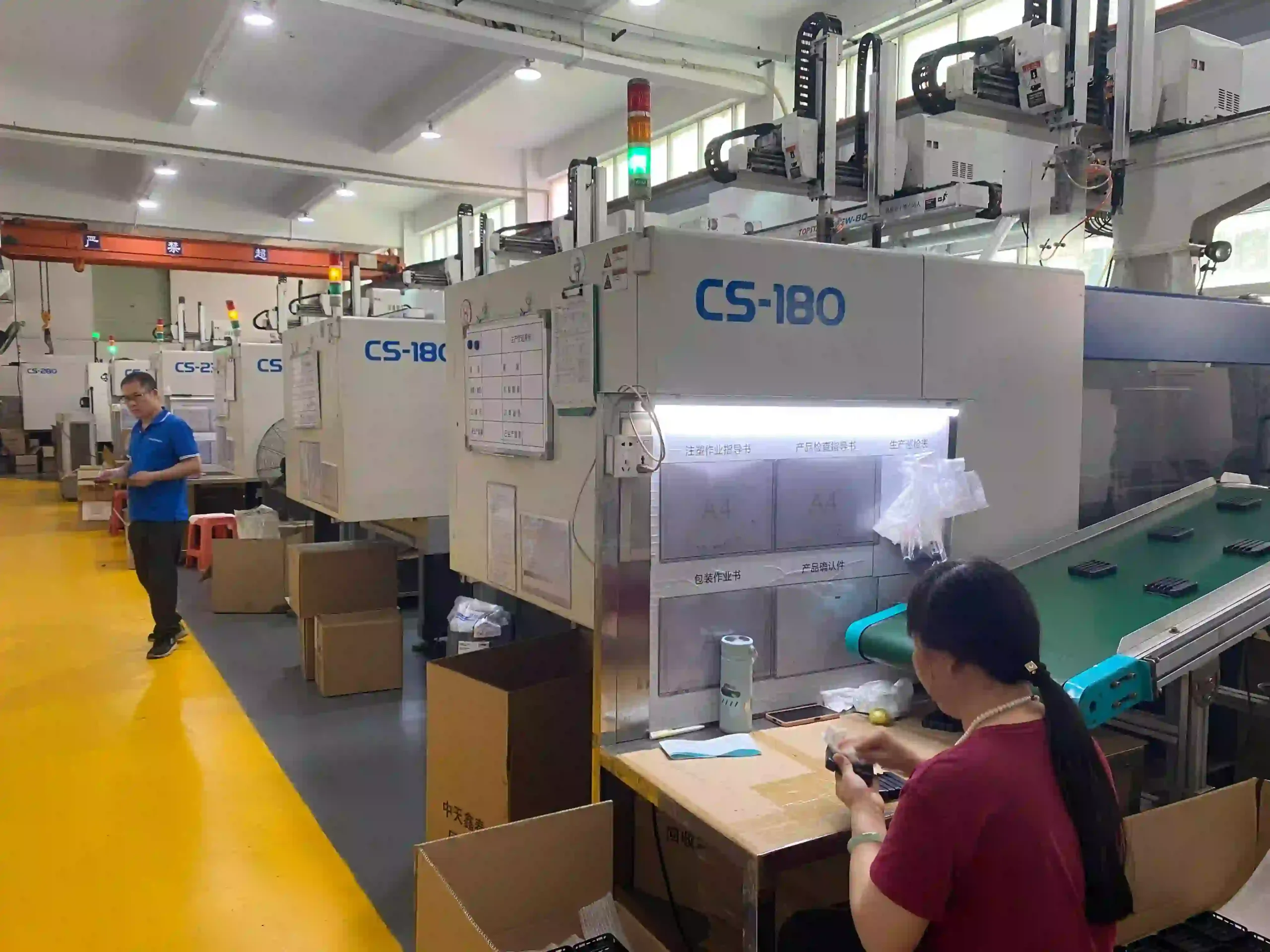
Manufacturing Context
These images are existing company-owned website assets. They are used as manufacturing context, not as proof of an unlisted machine count, tolerance or certification.
Frequently Asked Questions
A STEP file can support initial review, but a controlled drawing and functional requirements are still important. Native CAD, assembly context and revision control reduce avoidable interpretation risk.
The project plan identifies the design-review gate and which information must be closed before manufacturing proceeds. Approval does not waive later evidence-based changes found during trials.
No universal mold-life number is presented. Expected use, mold construction, resin, maintenance, operating conditions and commercial remedies must be defined for the specific tool.
Last reviewed and updated: August 27, 2026. Scope, documentation, production location and commercial terms are confirmed in the written quotation for each project.
Plan the Tool Before Cutting Steel
Send the controlled part files and application requirements so the mold scope can be reviewed against real decisions.
Estimate Before Mold Design Starts
A part-envelope estimate cannot replace DFM, but it can help a sourcing or product team establish an initial tooling allowance before mold concept and steel are confirmed.