
Injection Molding Project Process
Our process gives buyer and engineering teams a shared sequence for inputs, quotations, reviews, trials, acceptance, production release and controlled changes.
A Project Advances When the Next Decision Is Ready
Dates matter, but closing the correct technical and commercial questions matters first. The sequence below is a working framework; the quotation identifies which stages apply, their expected reviews and the information each party owns.
| Gate | Customer inputs | CustomMoldHub activity | Release evidence |
|---|---|---|---|
| 1. RFQ qualification | CAD, drawing, material/performance, quantity, critical requirements, delivery country | Check completeness, fit, risks and questions | Quote-ready scope or a defined missing-input list |
| 2. Quotation and alignment | Responses to assumptions; commercial and ownership expectations | Define scope, exclusions, milestones, payment and change basis | Accepted quotation/order documents |
| 3. DFM and design inputs | Controlled files, appearance zones, assembly and test needs | Record DFM and mold-concept decisions | Closed action list and released input revision |
| 4. Mold design review | Review/approval according to responsibility | Develop mold design and surface open issues | Design release for manufacturing |
| 5. Tool manufacturing | Timely response to approved changes | Manufacture, fit and assemble the mold | Tool ready for scoped trial |
| 6. T1 sampling | Evaluate first parts against agreed priorities | Run the first physical trial, document conditions and identify findings | T1 report/sample status and proposed action list |
| 7. Customer testing | Complete agreed dimensional, appearance, assembly or function evaluation | Support evidence review and clarify tool/process observations | Consolidated customer feedback against the controlled revision |
| 8. Corrections and follow-up trial | Approve the ECN or correction scope | Execute approved action and run T2 or later trial when required | Updated evidence with T1, T2 and later samples kept distinct |
| 9. Final approval | Approve the defined sample, dimensions or tests | Close agreed evidence and tool status | Written production or export-tool release |
| 10. Production and change control | Forecast, orders and controlled requirement changes | Plan material, molding, inspection, packaging and records | Released lots and documented changes |
What Keeps the Process Moving
Revision Control
Every decision should identify the CAD, drawing, material and specification revision it uses.
Named Open Items
An issue needs an owner, due point, decision and effect on cost or schedule—not an untracked email thread.
Written Release
Design approval, steel release, sample approval and production release are different decisions.
Evidence-Based Changes
Trial observations and measurement should guide correction rather than changing multiple variables without traceability.
Scope Discipline
New requirements after baseline are evaluated for technical, cost and schedule impact before execution.
Commercial Clarity
Ownership, payment, shipment, storage, maintenance and responsibility are recorded in project documents.
Milestones Are Project-Specific
We do not publish one generic tooling lead time. Tool complexity, input readiness, material availability, design approvals, revisions, trial outcome and logistics affect the plan. The quotation provides a proposed schedule based on stated assumptions, and changes are communicated against that baseline.
For the engineering work inside early gates, see DFM and Moldflow Analysis. For inspection decisions, see Quality Assurance.
Existing Project Page Preserved
The website’s existing Project page remains unchanged. This process page explains the commercial and engineering workflow without renaming, migrating or rewriting that existing page.
Manufacturing Context
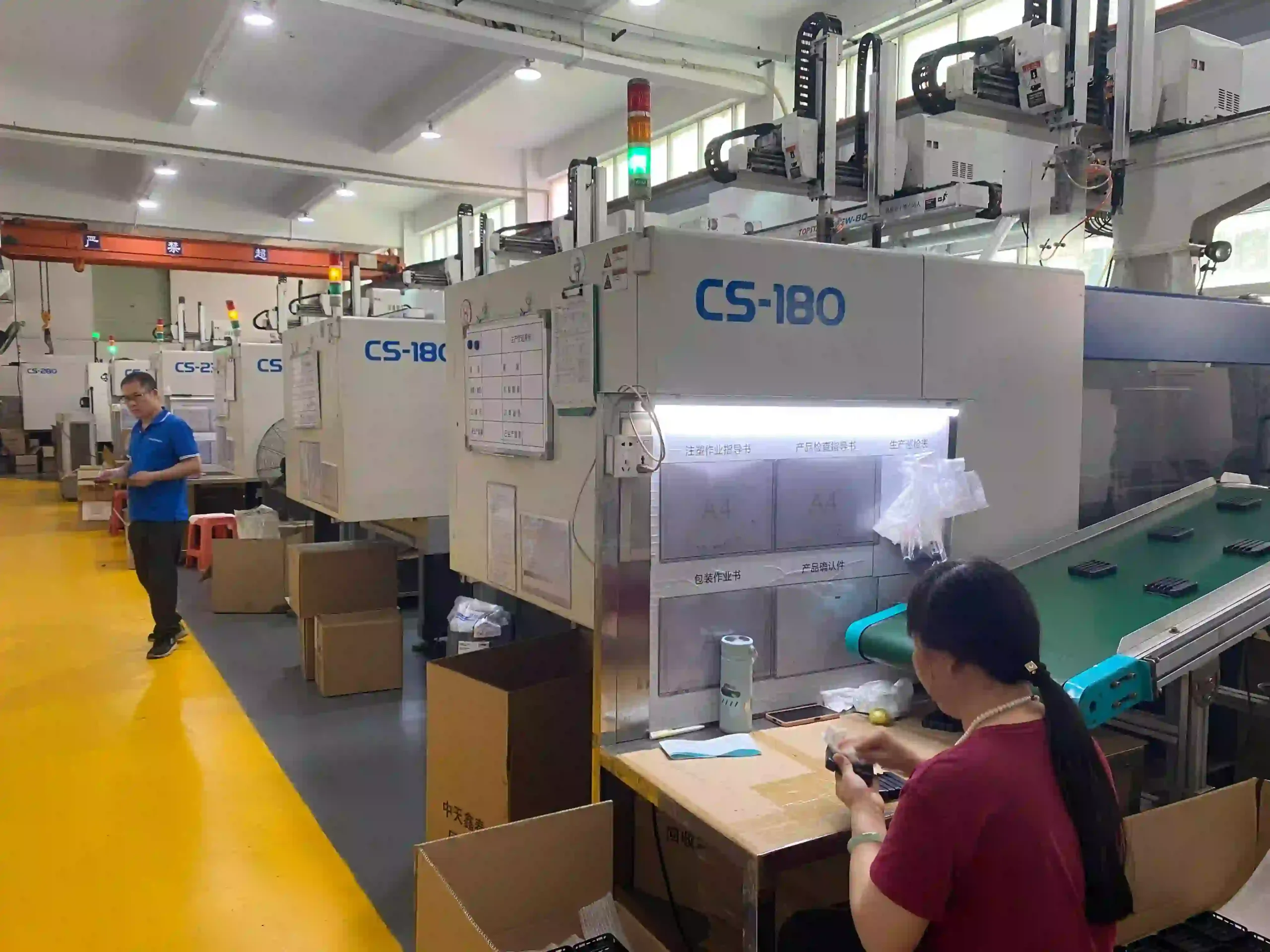
These images are existing company-owned website assets. They are used as manufacturing context, not as proof of an unlisted machine count, tolerance or certification.
Frequently Asked Questions
There is no responsible universal answer. Timing depends on complete inputs, complexity, procurement, review speed, engineering changes, trials and logistics. A project-specific milestone plan follows technical review.
T1 is the first physical evidence from the tool, not automatic final approval. The project plan defines what is measured or reviewed and what actions remain before release.
The proposed change is reviewed for feasibility, affected work, cost, schedule and validation. Work proceeds after the responsible parties approve the change in writing.
Last reviewed and updated: August 27, 2026. Scope, documentation, production location and commercial terms are confirmed in the written quotation for each project.
Start With the Right Project Inputs
Send a controlled RFQ package so the applicable gates, responsibilities and milestones can be proposed.