
Injection Mold Manufacturing and Plastic Molding Services
CustomMoldHub helps OEM and product teams move a plastic-part program from manufacturability review through mold building, trials, production molding and defined post-molding work.
One Engineering Path, With Scope Confirmed in Writing
Our service structure is designed for buyers who need a clear owner for technical questions, quotation inputs and project handoffs. A program may begin with an existing CAD model, a sample, an incumbent mold or an early design. The correct starting point depends on design maturity, material requirements, quantity, validation needs and whether production tooling already exists.
Tool concept review, mold design, manufacturing, trial support and controlled engineering changes for new tooling.
Part-production planning built around the approved tool, resin, sample standard and inspection scope.
Decision-focused review of geometry, tooling implications and molding risks before steel is cut.
Tooling-path evaluation for learning, validation and interim demand before a production program is stable.
Early review of insert retention, substrate compatibility, shutoffs, handling and process sequence.
Defined downstream work such as trimming, machining support, inspection and assembly when included in scope.
Condition-led intake for an existing mold before repair, change or future production is committed.
A practical overview of tooling methods, molding support and the constraints that require project review.
See the gates from RFQ and DFM through trials, approval, production and controlled changes.
Choose the Right Starting Point
| Your current situation | Recommended entry point | Useful first inputs |
|---|---|---|
| New part, no tool yet | DFM followed by mold manufacturing | 3D CAD, 2D drawing, resin or performance need, quantity and validation expectations |
| Approved tool and recurring part demand | Custom injection molding | Tool status, approved sample, resin grade, forecast, packaging and inspection requirements |
| Design still changing or demand uncertain | Prototype or bridge-tooling review | Learning objectives, expected revisions, sample quantity and decision date |
| Metal or plastic insert, or soft-touch layer | Insert molding and overmolding review | Insert specification, substrate, bonding expectation, geometry and handling constraints |
| Existing mold needs a new supplier or change | Mold-transfer intake | Tool drawings, maintenance history, last samples, known issues and ownership authorization |
Not sure where your project fits? Send the available information. We will identify missing inputs before representing the scope as quote-ready.
From CAD Review to Released Production
| Stage | What the buyer confirms | What the project team provides |
|---|---|---|
| RFQ and preliminary CAD review | Current files, intended resin, demand, critical features, appearance, tests and delivery context | Missing-input questions, initial feasibility concerns and quotation assumptions |
| Quotation and project confirmation | Commercial scope, tooling location, ownership expectation, documentation and responsibilities | Defined inclusions, exclusions, milestones and change basis |
| Detailed DFM and mold design | Manufacturing decisions, visible witness locations and released design revision | Formal review records and mold-design information included in scope |
| Manufacture and T1 sampling | Sample evaluation priorities and timely decisions | Tool build, first trial evidence, identified findings and correction proposal |
| Approval and production | Accepted sample/drawing, inspection plan, order and packaging needs | Production readiness, agreed inspection, project communication and controlled changes |
A mold can be quoted for export or for defined production at the supporting facility. Ownership, nameplate, maintenance, storage, release, shipping and the actual production location are confirmed in the commercial documents; none is inferred from the website alone. Review the full project process and mold ownership policy.
What Buyers Can Expect
- One documented RFQ input list
- Assumptions and exclusions stated in the quotation
- Engineering questions tied to part or tool decisions
- Defined review and approval points
- Change control after an agreed baseline
- Inspection and documentation matched to risk
- Confidential-file transfer arranged separately when needed
- Clear distinction between preliminary feedback and paid engineering analysis
When We May Not Be the Right Fit
We may decline or redirect work when the drawing, material, ownership status, compliance requirement, validation plan or production expectation cannot be verified enough to quote responsibly. We also do not claim every finishing process or inspection package is automatically available for every project.
Review our mold ownership and IP approach and quality planning method before sending sensitive or regulated work.
Manufacturing Context
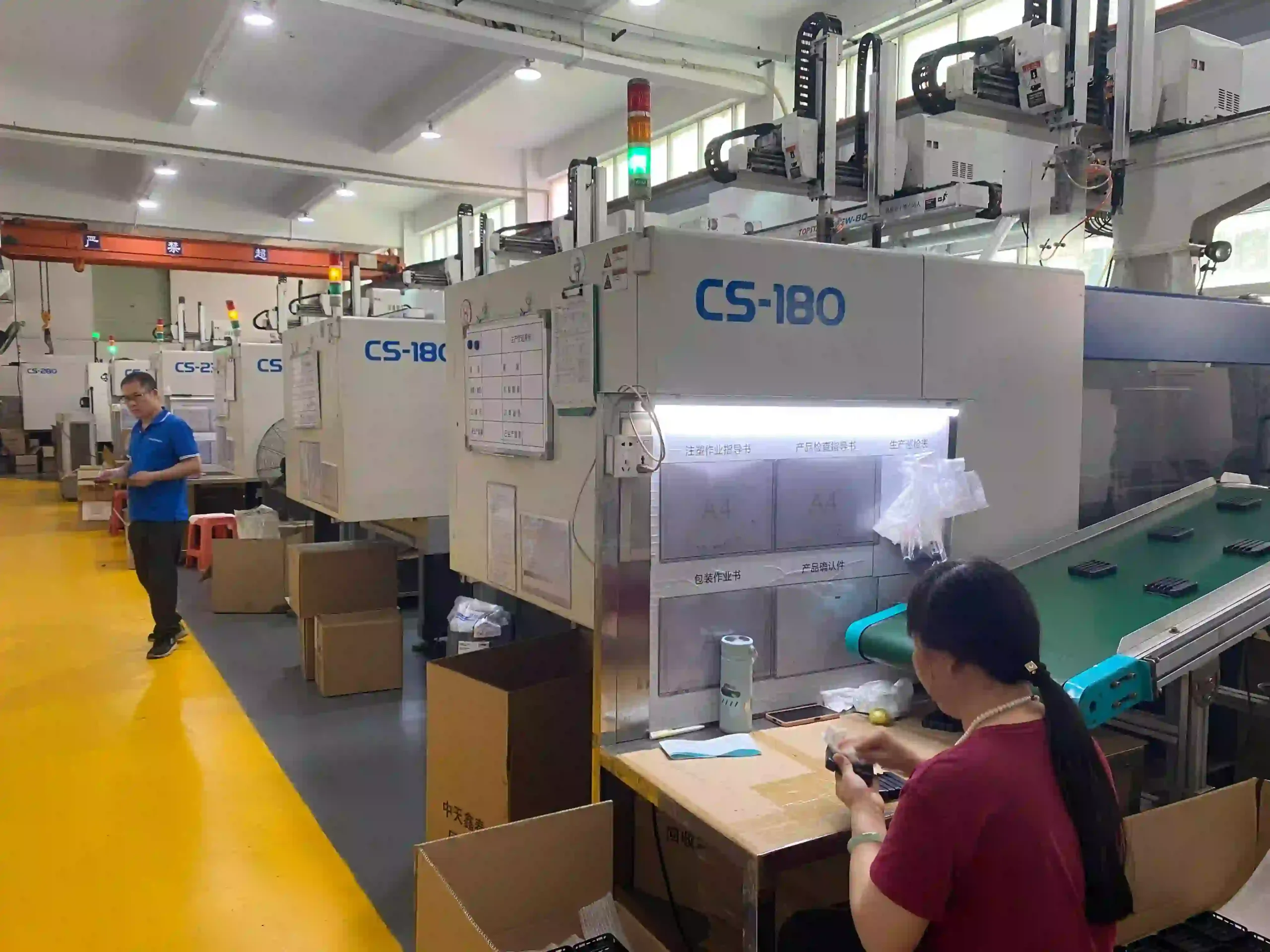
These images are existing company-owned website assets. They are used as manufacturing context, not as proof of an unlisted machine count, tolerance or certification.
Frequently Asked Questions
Yes, a project can include mold manufacturing, trials and production molding when those stages are quoted and approved. The written scope identifies responsibilities, acceptance points and any separate charges.
No. Preliminary manufacturability feedback and formal flow simulation are different scopes. Formal simulation availability, inputs, outputs and fees are confirmed separately; simulation does not replace physical mold trials.
Start with 3D CAD if available, a controlled drawing, intended material or performance needs, estimated quantities, critical dimensions, cosmetic expectations, delivery country and target timing.
Last reviewed and updated: August 27, 2026. Scope, documentation, production location and commercial terms are confirmed in the written quotation for each project.
Start With a Reviewable RFQ
Share the information you already have. We will identify the appropriate service path and the missing decisions before a formal quotation.
Early Budget Planning
If the CAD package is not ready, start with the product envelope, annual volume, resin and tooling factors. The estimator provides a non-binding budget range and identifies when engineering review is required.