
Home / Injection Mold Cost Calculator
Preliminary Tooling Budget Tool
Injection Mold Cost Calculator
Estimate an initial mold-base size, cavity range, steel category and tooling budget from the part envelope and project requirements—without creating an account or entering an email.
A Budget Range Before a Formal RFQ
This calculator provides a preliminary budgetary estimate only. It is not a formal quotation or contractual offer. Final mold size, tooling price, cavity layout, steel selection, and lead time require an engineering review of the 3D CAD model, material grade, tolerances, surface requirements, and production specifications.
Preliminary Budget Estimate
Standard Budget RangeEstimate Confidence
Main Cost Drivers
This is a preliminary budget estimate, not a final price, guaranteed quote or contractual offer. Final mold size, cavity layout, steel, tooling price and lead time require CAD and DFM review.
Budget exclusions unless specifically engineered and quoted
Special hot-runner systems; multi-color or two-shot tooling; complex unscrewing mechanisms; optical-grade requirements; validation or certification programs; production parts; packaging; freight; duties; and taxes.
Send the Estimate to Engineering
The result appears immediately and does not require this form. If the budget is relevant, send the selections to our team for follow-up. Do not paste trade secrets or confidential geometry into the message.
Have a CAD file? Please attach your STEP file and 2D drawing in an email to jerry@ckmold.com for a formal engineering-reviewed quotation. This page does not accept or store file uploads.
How This Calculator Works
This tool supports early budgeting when a formal RFQ is not yet ready. It converts the outside part dimensions to millimeters, estimates space for cavities, inserts, plate margins and mechanisms, and then produces a mold-size and tooling-budget range.
Annual volume mainly informs a starting cavity range and steel category. Resin, wear, corrosion, processing temperature, surface finish and tolerance selections adjust risk and engineering allowances. A final quotation still requires a 3D CAD model and DFM review.
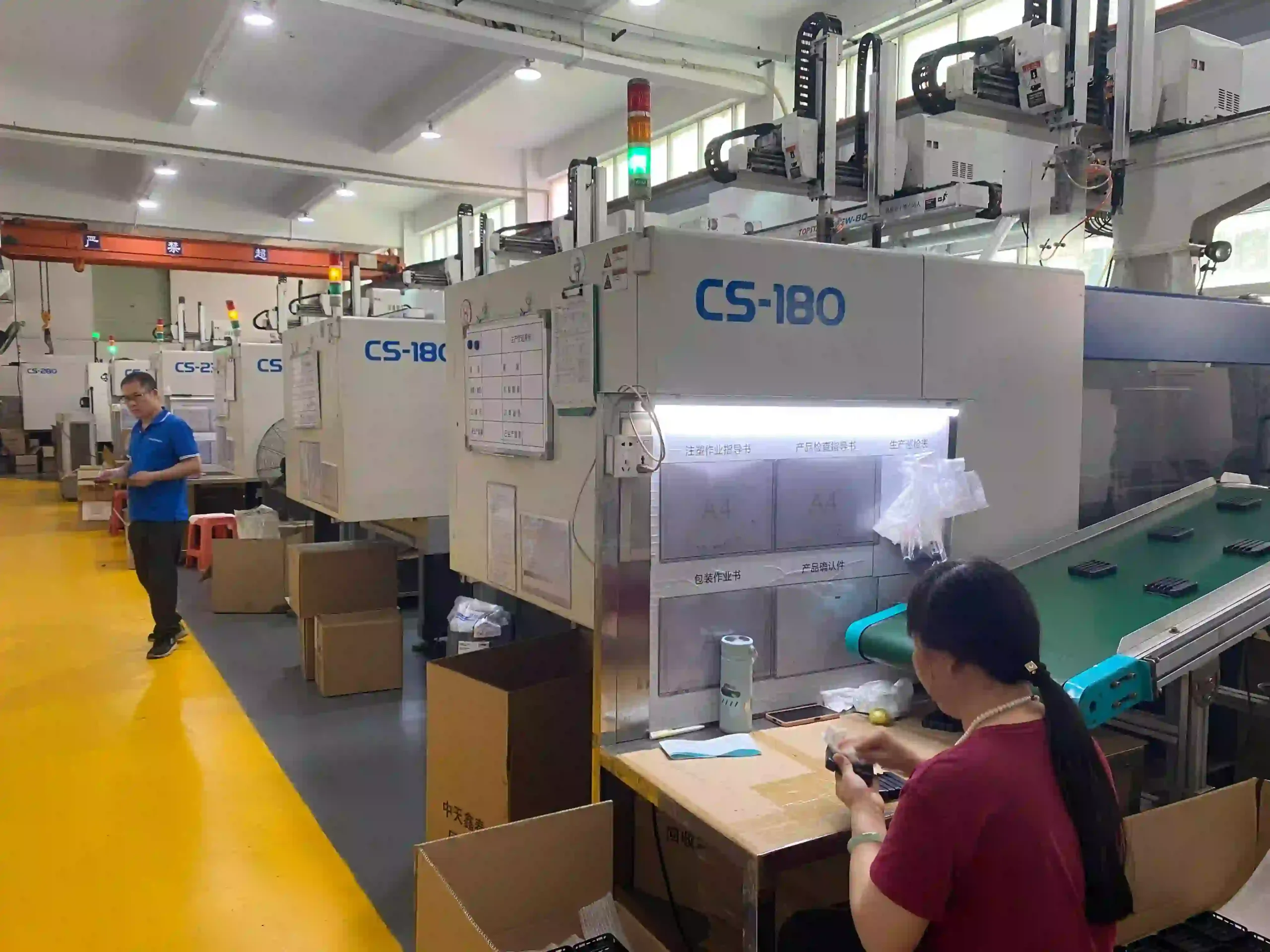
Main Factors Affecting Injection Mold Cost
Part Size
The maximum envelope influences insert size, plate margins, mold-base footprint, thickness and potential molding-machine requirements.
Number of Cavities
More cavities can support output but increase layout, runner balance, cooling, machining, maintenance and validation work.
Mold Steel
Steel class, hardness, corrosion resistance, wear resistance, polishability, heat treatment and certificate requirements affect cost.
Side Actions and Undercuts
Sliders, lifters and angled mechanisms need space, components, fitting and controlled travel.
Internal Threads
Unscrewing may require racks, gears, motors or hydraulic mechanisms and must be reviewed from the actual thread geometry.
Hot Runner
Supplier, zone count, controls, spares, serviceability and gate strategy can materially affect tooling cost. Special systems are excluded by default.
Surface Finish
Texture, high polish and optical requirements influence steel choice, preparation, polishing, handling and acceptance criteria.
Tolerances
Tight or critical features increase engineering, machining, measurement, cooling and process-control requirements.
Resin Processing
Temperature, corrosion, fillers, venting and gate behavior may require upgraded steel or tooling components.
Production Volume
Expected demand informs durability and cavity discussions, but the delivery plan and validated cycle determine the final approach.
Illustrative Calculation Examples
These are anonymous budget examples created only to explain the calculator method. They are not customer cases, formal quotations, guaranteed prices or evidence of a specific project.
| Illustrative budget example | Inputs | Indicative tooling budget | Review note |
|---|---|---|---|
| Small simple ABS enclosure | 90 × 60 × 25 mm; one cavity; standard finish | USD 4,500–7,000 | Geometry, gate, ejection and cosmetic faces still require DFM. |
| Medium PP component with one slider | 220 × 150 × 60 mm; one-to-two cavity starting point | USD 9,500–16,000 | Slider travel, cooling, machine fit and expected cycle affect the final plan. |
| High-temperature PEEK component | 110 × 70 × 25 mm; critical resin and tooling review | USD 9,000–17,000+ | Heating, gating, wear, steel certificate and trial conditions require engineering review. |
Frequently Asked Questions
It is an early budget tool, not a quotation or an accuracy guarantee. The range uses part envelope, volume, resin, steel and selected tooling factors. Geometry visible only in the 3D model can materially change mold size, mechanisms and price.
A STEP or other usable 3D model lets an engineer evaluate draft, wall thickness, parting, undercuts, inserts, ejection, gate options, cooling and mold layout. Those decisions cannot be verified from length, width and height alone.
No. The first version estimates tooling size and tooling budget only. Part price requires part weight, wall thickness, cycle assumptions, resin grade, packaging, inspection, assembly and order quantities.
Higher annual demand may support more cavities, but part size, cycle, machine capacity, balance, maintenance and the delivery plan can limit the practical layout. The calculator provides a starting range only.
Processing temperature, corrosion, wear, polishability, venting and gate behavior can change steel, heat treatment, surface preparation and tooling-component requirements.
Choose “Not Sure—Recommend for Me.” The estimator will suggest a preliminary steel category based on volume, resin and finish. Final steel grade and equivalency require the project specification and material certificate.
No special hot-runner system is included in the default budget. Runner concept, supplier, controls, spare parts and service requirements must be reviewed and quoted separately.
It can provide an early tooling budget, but export standards, mold base, electrical and water connections, documentation, spares, validation, shipping and destination requirements need a separate engineering and commercial review.
Email non-confidential files to jerry@ckmold.com. If an NDA or controlled transfer is required, contact the engineering team first so a separate approved transfer method can be arranged. This page has no file-upload function.
Engineering review: Reviewed by Jerry Zou and the CustomMoldHub engineering team.
Last reviewed and updated: September 2, 2026.
Move From Budget Range to Engineering Review
Review our injection mold services, mold manufacturing process, materials and finishes, project examples and RFQ guidance. Email the STEP file and drawing when you are ready for a reviewed quotation.