
Mold Transfer, Repair and Modification Support
An existing mold is accepted through a documented intake: ownership authority, records, physical condition, compatibility, known defects and the intended next production state.
A Transfer Is a New Technical Baseline
Historical drawings and prior samples are useful, but they do not prove current tool condition. Storage, wear, corrosion, undocumented repair, missing components, design changes and machine-interface differences can affect the next trial. We therefore review evidence before accepting schedule, cost, part quality or production responsibility.
Authority and Records
Confirm the customer is authorized to transfer or modify the mold, then collect tool drawings, CAD, BOM, maintenance history and change records.
Physical Intake
Identify mold size/interface information, components received, visible condition, corrosion, wear, damage, connections and safety concerns.
Compatibility Review
Compare the mold with proposed machines, resin, auxiliary connections, handling, hot-runner controls and production expectations.
Trial and Diagnosis
When safe and compatible, use a scoped trial to distinguish tool, process, material and part-design symptoms.
Repair or Change Proposal
Document findings, options, limitations, cost and the evidence needed to verify the action.
Revised Baseline
Update accepted samples, drawings, maintenance needs and production controls after approved work.
Information That Speeds a Responsible Intake
| Record | Why it matters | If missing |
|---|---|---|
| Mold GA, component drawings and BOM | Supports compatibility, replacement and change planning | Additional inspection or reverse-engineering scope may be required |
| Last approved parts and controlled drawing | Shows the intended acceptance state | A new baseline must be agreed |
| Trial/process history and defect evidence | Helps separate persistent tool issues from process or material variation | Diagnosis will rely more heavily on new trial evidence |
| Maintenance and repair history | Highlights wear areas, replaced components and unresolved risk | The tool may need broader disassembly and inspection |
| Ownership or transfer authorization | Protects all parties before possession or modification | The mold cannot be accepted for work |
Physical Mold Intake Checklist
| Area | Examples reviewed |
|---|---|
| Identity and material | Nameplate/property marks, tool dimensions and available steel/component records |
| Mold interfaces | Clamping, locating, nozzle/sprue, ejection, lifting and machine-clearance information |
| Hot-runner or electrical system | Controller requirements, heaters, thermocouples, connectors, drawings and known alarms |
| Cooling and utilities | Water circuits, fittings, leakage, blockage evidence and available circuit records |
| Movements and wear | Slides, lifters, ejectors, guides, shutoffs, wear plates, lubrication and visible damage |
| Spares and records | Received spare components, consumables, prior repairs, maintenance history and open ECNs |
After the intake, the project may receive a findings summary and a scope for cleaning, trial, repair, maintenance, ECN modification, reverse engineering or revalidation. The exact report, disassembly and quotation depth are agreed before work.
Possible Outcomes
- Clean, inspect and run a controlled trial.
- Repair known wear or damage before trial.
- Modify geometry or components through approved engineering change.
- Rebuild selected components where records and condition support it.
- Recommend replacement tooling when repair risk exceeds a responsible path.
- Decline the tool if ownership, safety, compatibility or evidence cannot be resolved.
Fit and Limitations
We do not promise recovery before seeing the tool and relevant records. Hidden conditions can become visible only after disassembly or trial.
Review ownership and IP controls, then use the quote form to describe the tool and known issues without uploading confidential files.
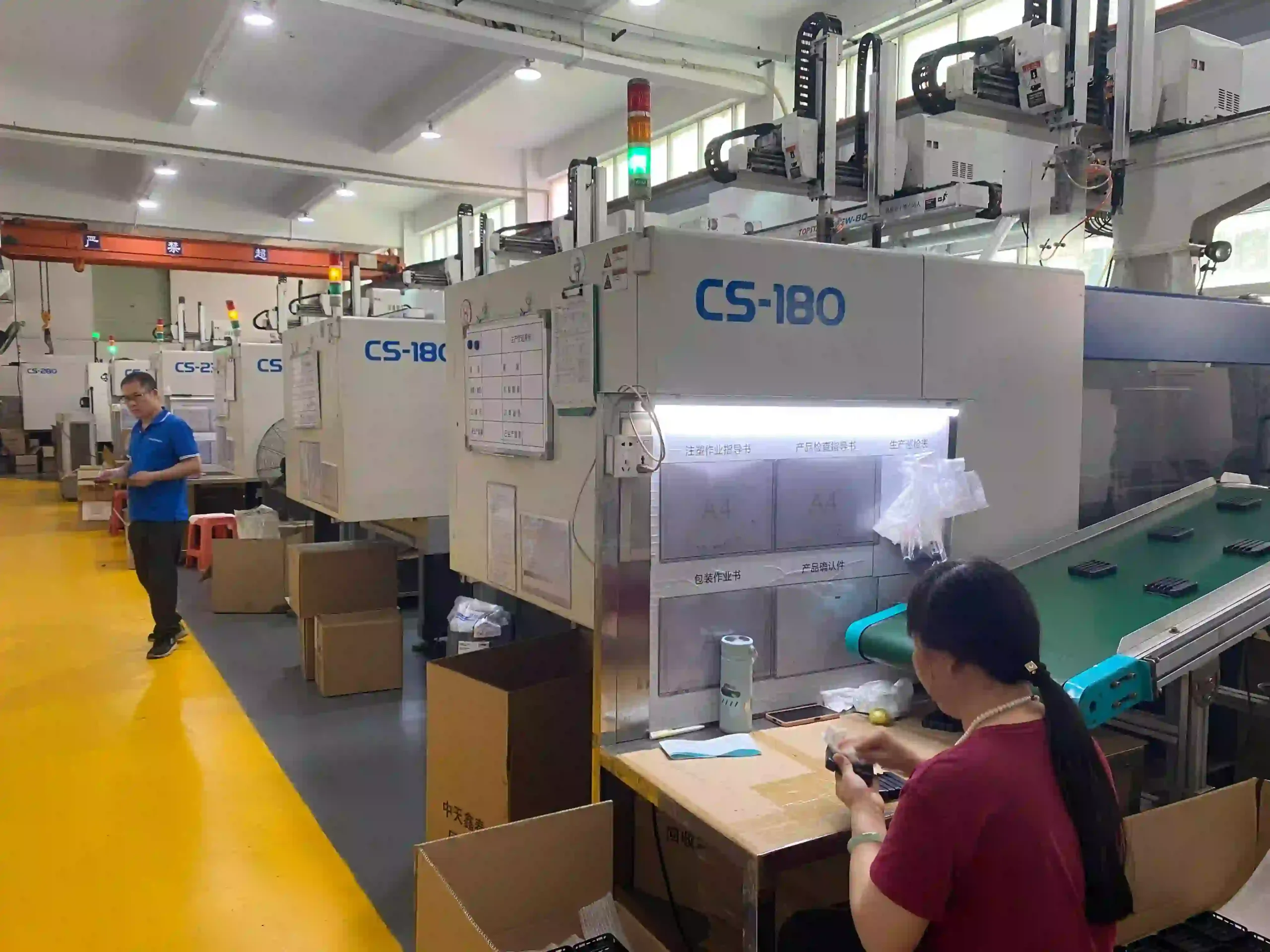
Manufacturing Context
These images are existing company-owned website assets. They are used as manufacturing context, not as proof of an unlisted machine count, tolerance or certification.
Frequently Asked Questions
Photos can support initial triage, but a reliable repair commitment may require drawings, defect evidence, physical inspection, disassembly or a controlled trial.
It may be possible, but missing records increase inspection and reverse-engineering needs. Acceptance depends on condition, complexity, authorization and the requested outcome.
No. Dimensions, clamping interface, injection requirements, ejection, connections, controls, lifting and safety provisions must be compared with the proposed equipment.
Last reviewed and updated: August 27, 2026. Scope, documentation, production location and commercial terms are confirmed in the written quotation for each project.
Begin With a Mold-Condition Intake
Share tool records, last samples, known issues and ownership authorization so the right audit can be scoped.