
Custom Plastic Injection Molding for Production Programs
Production molding support is organized around the approved tool, resin, sample standard, inspection plan, packaging requirements and documented changes.
Production Readiness Is More Than Owning a Mold
Reliable part supply requires an agreed baseline: tool status, resin identity, color, approved sample or drawing, critical characteristics, process expectations, inspection frequency, packaging and demand communication. We review those controls before presenting a project as ready for recurring production.
Material Control
Use the quoted grade, color and approved sourcing route. Substitution requires written review because shrinkage, appearance and performance can change.
Process Baseline
Record the agreed trial or production setup to support repeatability while recognizing that controlled adjustment may be needed.
Part Acceptance
Connect drawing revision, approved sample, measurement method and functional checks to the release decision.
Lot Identification
Define labeling or traceability needs before production rather than assuming a universal format.
Packaging
Review surface protection, count, orientation, bagging, carton and transport risks as part of the quoted scope.
Change Control
Document proposed changes to resin, tool, process, source, inspection or packaging before they alter the approved baseline.
Information Needed for a Production-Molding Review
| Input | What it helps determine | If it is unavailable |
|---|---|---|
| Current tool status and location | Transfer, inspection, trial and maintenance scope | A mold audit or new-tool review may be needed |
| Approved resin and color | Sourcing, drying, shrinkage and appearance assumptions | Performance-based material selection must be completed first |
| Drawing and approved sample | Acceptance baseline and measurement priorities | Criteria must be established before release |
| Forecast and order pattern | Capacity review, material planning, packaging and logistics | Quotation will state the quantity assumptions used |
| Quality and documentation needs | Inspection method, frequency, records and approval gates | Standard scope will be explicitly defined, not presumed |
What Drives Part Price and Supply Risk
Quantity and Order Pattern
Setup, material purchasing, inspection, packaging and capacity planning affect the economics of a small validation lot differently from repeat releases. A low unit price cannot be assumed at every quantity.
Material and Color
Exact grade, additives, drying, approved source, color control, minimum purchase and certificate needs can affect price and availability.
Part and Tool Complexity
Cycle behavior, cavities, slides, inserts, appearance, tight features, scrap risk and downstream operations influence the production route and unit cost.
For a second-source program, provide the current approved sample and specification, known defects, incumbent tool status, demand pattern and any source-change validation requirements. Matching appearance or performance without a controlled baseline should not be promised.
Where This Service Fits
This route fits teams with a defined part and a tool that is approved or can be brought to an approved state. It can also follow a new mold-manufacturing program.
It may not fit yet when:
- The design revision or material is still open.
- Mold ownership or transfer authority cannot be demonstrated.
- Acceptance criteria conflict or are missing.
- A regulated validation package has not been defined.
- Demand assumptions are too uncertain to select a responsible production route.
Quality Planning
Inspection resources and documents are selected for the program; we do not describe CMM reports, first-article packages, PPAP or certificates as automatic inclusions. See Quality Assurance for how requirements are converted into a plan.
Review resin and finish decisions on Materials and Finishes.
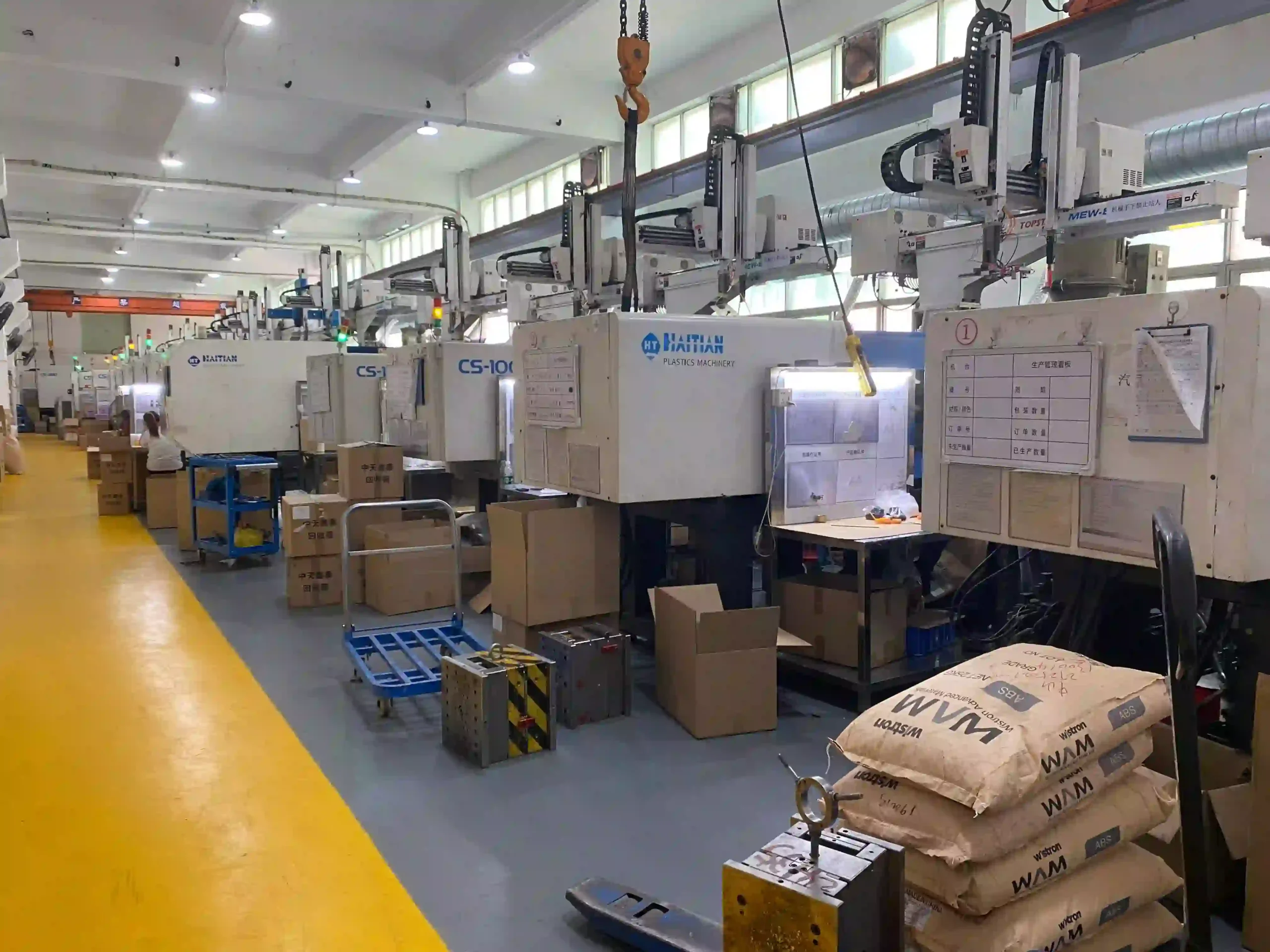
Manufacturing Context
These images are existing company-owned website assets. They are used as manufacturing context, not as proof of an unlisted machine count, tolerance or certification.
Frequently Asked Questions
Potentially. The tool must first pass a transfer and condition review, and the ownership or authorization status must be clear. Trial, repair and modification needs are quoted before production commitment.
Only after written technical and commercial review. A similar family name is not enough; exact grade properties, regulatory needs, color, shrinkage and supply status must be considered.
The inspection method, frequency and records depend on the agreed plan. Any required dimensional layout, certificate, capability evidence or customer format should be specified during quotation.
Last reviewed and updated: August 27, 2026. Scope, documentation, production location and commercial terms are confirmed in the written quotation for each project.
Define the Production Baseline
Provide the approved part criteria, material, tool status and forecast so production requirements can be reviewed together.